




Why Photorealistic 3D Visualization Is Essential for Product Marketing
In today’s digital-first world, photorealistic 3D visualization has become a cornerstone of modern product marketing. No longer limited to tech giants or luxury conglomerates, this technology is now accessible—and indispensable—for ambitious brands in beauty, luxury, and technology sectors. As consumer expectations for visual excellence rise and competition intensifies, the ability to create hyper-realistic, emotionally engaging product imagery is no longer a luxury, but a strategic necessity. This article explores the evolution, impact, and future of photorealistic 3D visualization, with a focus on trends, best practices, and real-world success stories for 2025.
The Evolution of Photorealistic 3D Visualization
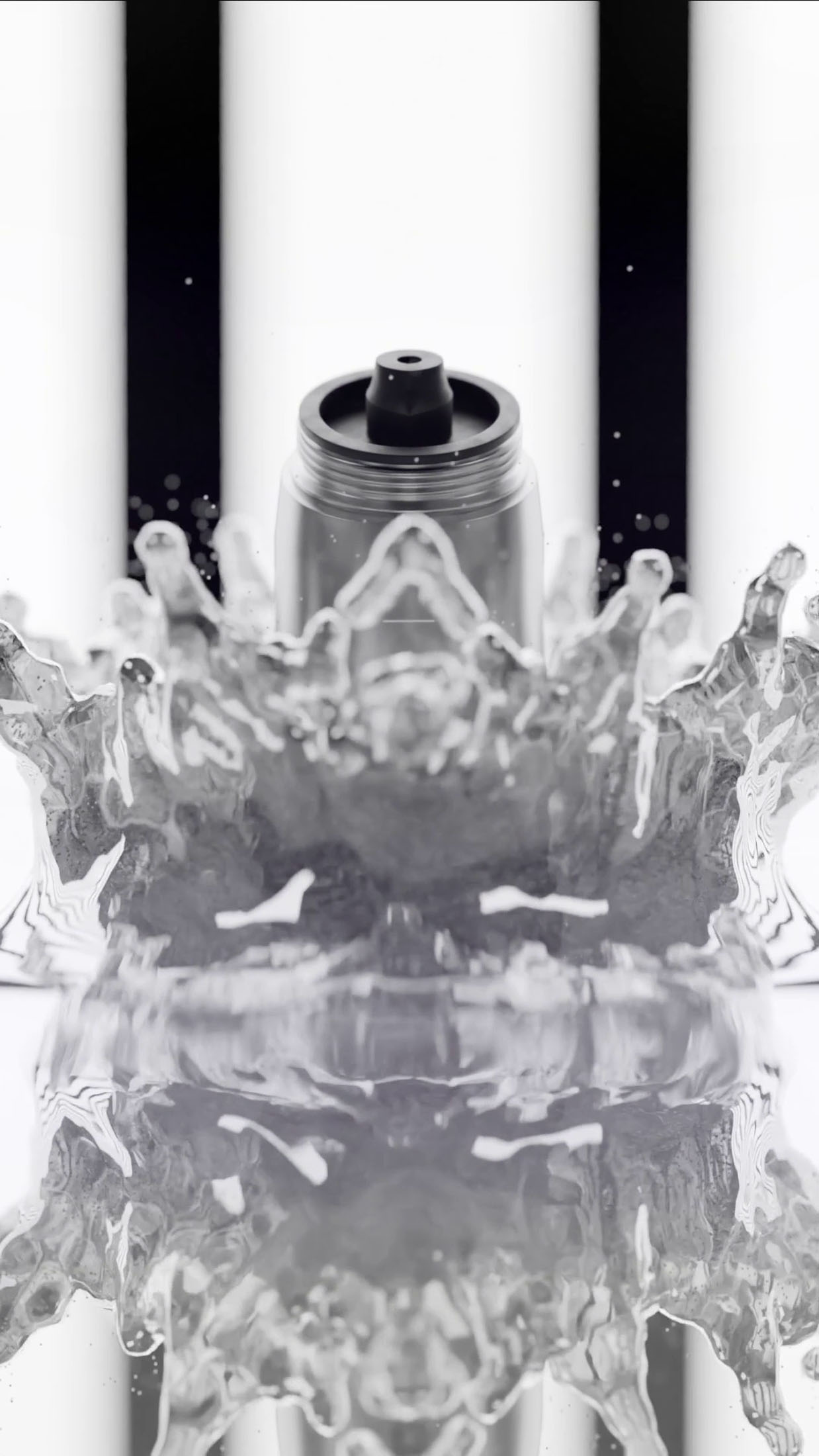
Just a decade ago, product marketing relied heavily on traditional photography, elaborate sets, and often expensive, time-consuming shoots. The emergence of advanced CGI and rendering engines changed everything. Today’s photorealistic 3D visualization allows brands to create digital images and animations that are virtually indistinguishable from real-life photography. The technology can replicate every surface nuance, from the soft glow of glass to the intricate reflections on a metallic perfume cap.
What sets photorealistic 3D visualization apart is its flexibility. Marketers can showcase products in unlimited colors, finishes, and environments—without ever producing a physical prototype or shipping a sample. Want to launch a new fragrance in Paris and New York simultaneously, with different backgrounds and lighting for each market? With CGI, this is not just possible, but efficient and cost-effective.
Key Benefits for Product Marketing
Unmatched Realism: Every reflection, shadow, and surface detail is captured, making visuals hyper-realistic and emotionally engaging (source).
Versatility: Products can be shown in any context, configuration, or lighting—ideal for seasonal launches, luxury campaigns, and e-commerce (source).
Speed & Efficiency: CGI slashes production time. Brands can iterate, update, and launch globally without costly photoshoots (source).
Cost Savings: Eliminate logistics, shipping, and reshoot expenses. Invest more in creative innovation and campaign reach.
Why It Matters for Product Marketing
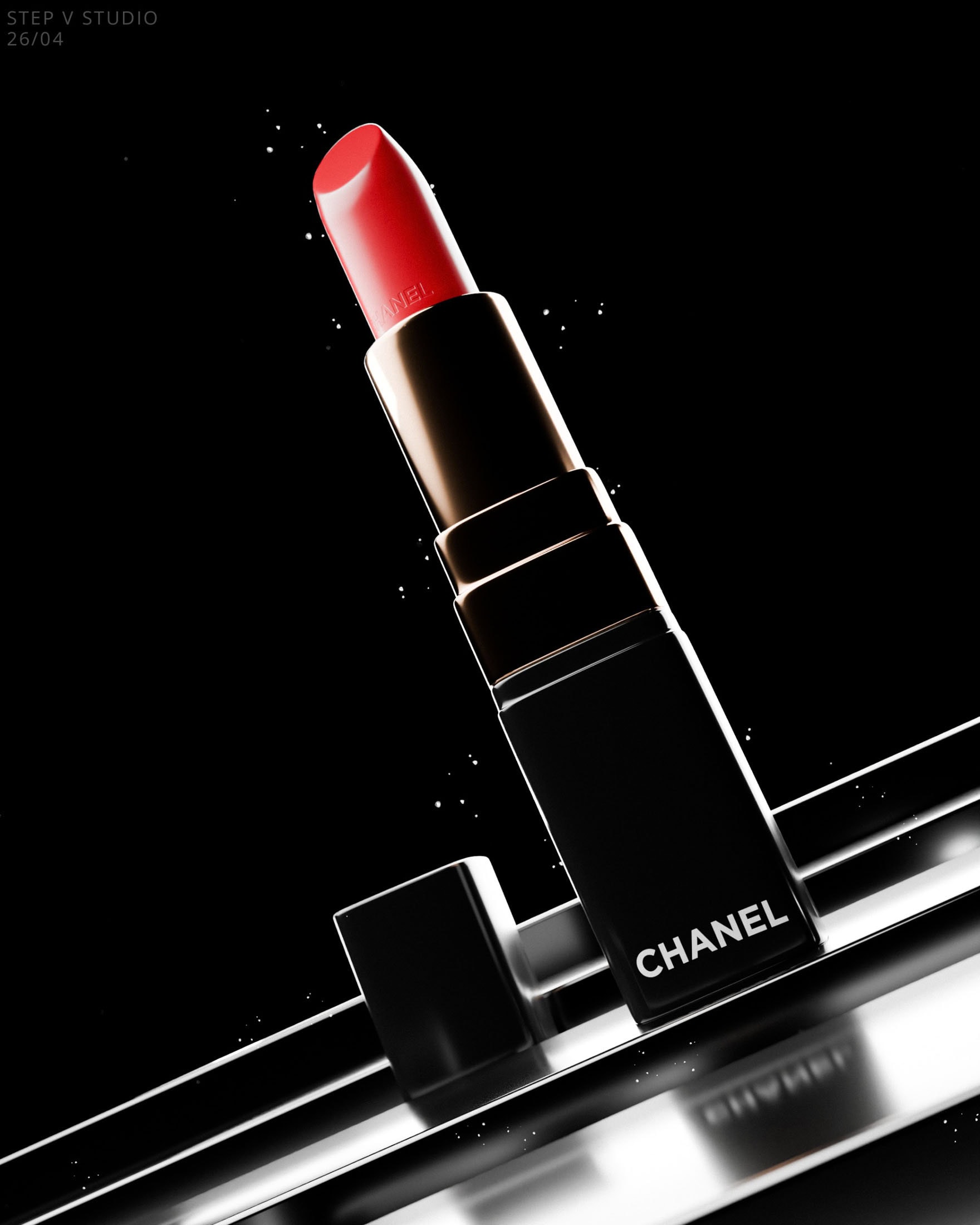
The impact of photorealistic 3D visualization on product marketing is profound. First and foremost, it enables brands to tell richer, more compelling stories. Rather than relying on generic packshots, marketers can craft bespoke, aspirational visuals tailored to each campaign, season, or target audience. This storytelling power is especially valuable in the luxury and beauty industries, where emotion, exclusivity, and detail drive consumer desire.
Moreover, 3D visualization accelerates time-to-market. Product teams can iterate designs, test visual concepts, and adapt to market feedback in days rather than weeks. There’s no need to wait for physical samples or organize international photoshoots. This agility is a key advantage in fast-moving sectors like cosmetics, tech, and fashion, where trends evolve rapidly and first-mover advantage is critical.
Cost savings are another major benefit. By eliminating location logistics, shipping, and reshoot expenses, brands can reinvest in creative innovation and digital campaign reach. According to industry research, companies using photorealistic 3D visualization report up to 30% higher conversion rates and lower return rates, as customers gain a clearer understanding of products before purchase (source).

2025 Trends: AI, Interactivity, and Omnichannel Excellence
Looking ahead, several trends are shaping the future of photorealistic 3D visualization in product marketing. Artificial intelligence is playing a transformative role, automating model creation, material simulation, and even lighting setups. This means brands can generate hyper-realistic assets faster, at lower cost, and with greater creative freedom than ever before (source).
Interactivity is another major trend. In 2025, leading brands are integrating real-time 3D viewers, augmented reality, and interactive configurators into their digital experiences. This not only boosts engagement but also gives customers the power to personalize products, explore details up close, and make more confident purchase decisions.
Omnichannel optimization ensures that CGI assets are perfectly tailored for every platform—web, social media, e-commerce, and even immersive environments like AR and VR. Consistency across all touchpoints reinforces brand identity and maximizes the impact of marketing investments.
Sustainability is also a growing consideration. Virtual shoots and digital twins significantly reduce waste and emissions, supporting eco-friendly brand positioning—a factor that’s increasingly important to today’s conscious consumers (source).
Real-World Success: Case Studies
Consider IKEA, a pioneer in digital product imagery. Today, more than 75% of their product images are created using photorealistic 3D rendering. This shift has enabled IKEA to reduce costs, update visuals rapidly, and support global launches with unprecedented efficiency (source).
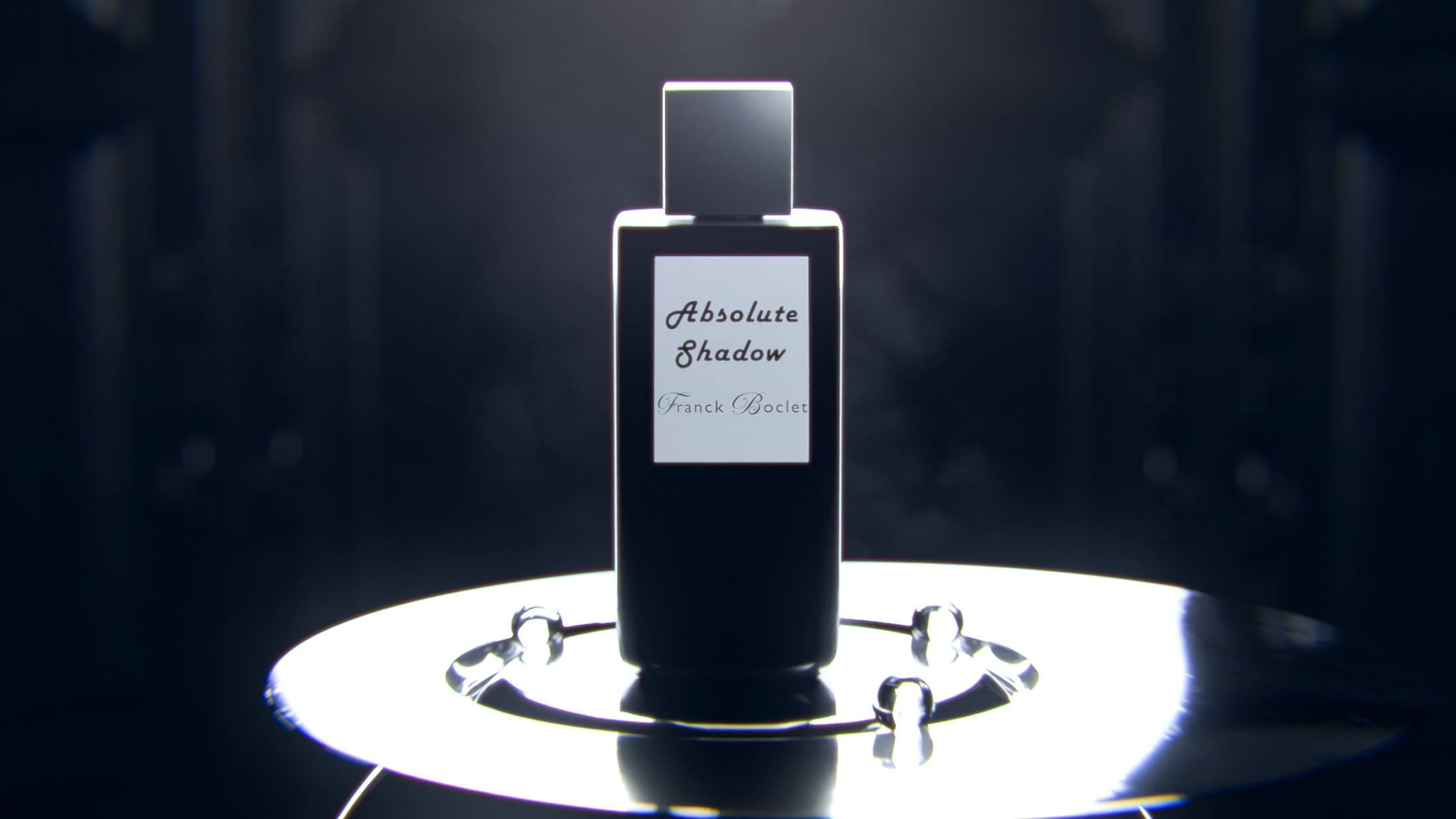
In the luxury beauty sector, a major fragrance house recently launched a hero product using CGI animation for their global campaign. The result? A 40% increase in social media engagement and a dramatically faster time-to-market compared to traditional video shoots (source). Similarly, brands in furniture and electronics report not only higher conversion rates but also lower product return rates, as customers have a better sense of what they’re buying.
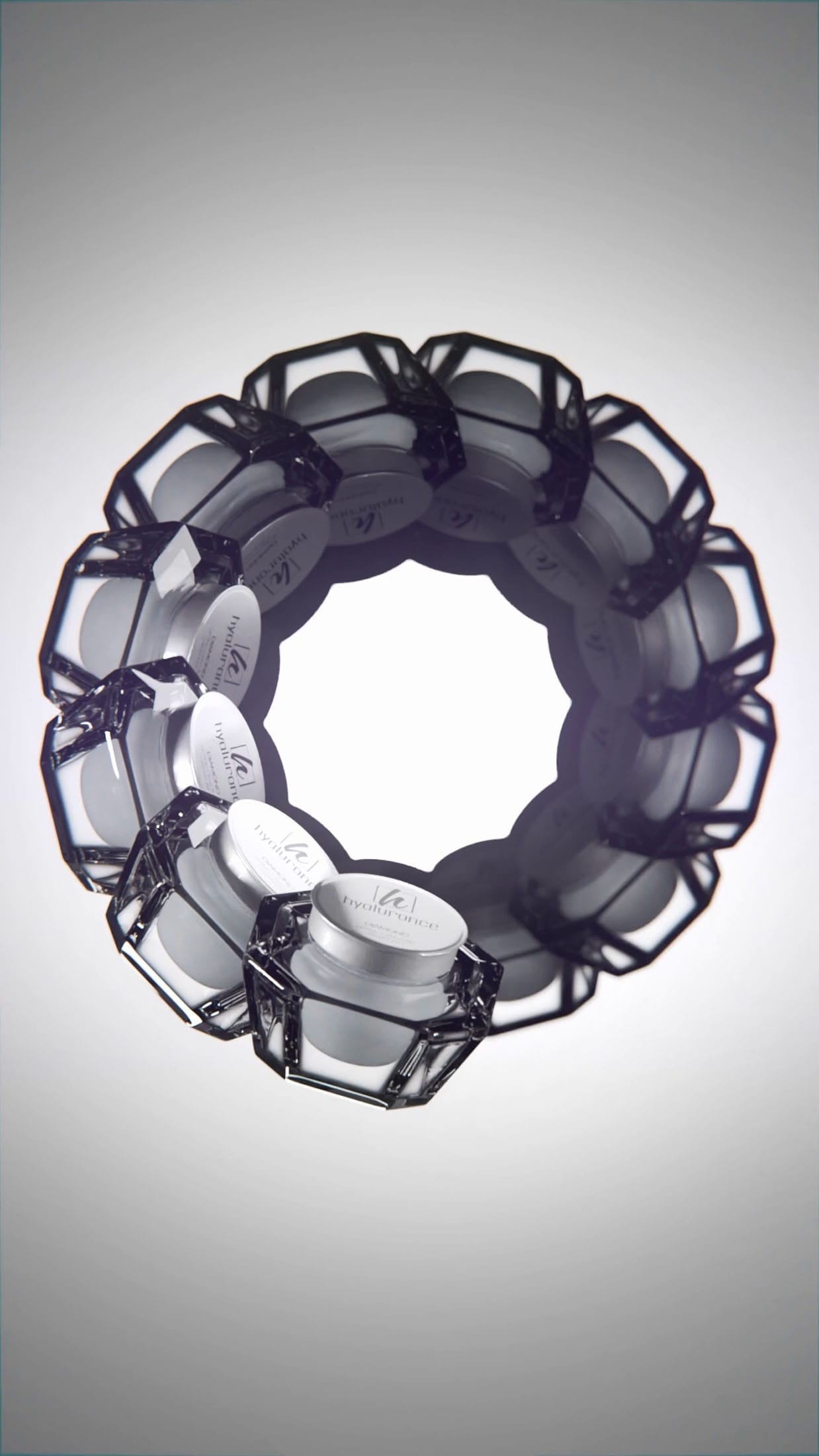
These examples highlight that photorealistic 3D visualization is not just a technical upgrade—it’s a strategic lever for growth, differentiation, and customer satisfaction.
Best Practices for Brands That Want More
To fully capitalize on the power of photorealistic 3D visualization, brands should focus on quality and storytelling. Partnering with specialized studios ensures that every visual element—from materials to lighting—meets the highest standards of realism and artistry. Leveraging AI-driven tools and interactive experiences can further enhance engagement and streamline content production.
Consistency is key: deliver high-quality CGI across all channels, and always align visuals with your brand’s core values and market positioning. Finally, use 3D visualization not just to show products, but to communicate emotion, innovation, and the unique value your brand brings.
Conclusion
Photorealistic 3D visualization is more than a trend—it’s a fundamental shift in how brands approach product marketing in 2025. By embracing CGI animation, digital product visualization, and the latest rendering technologies, ambitious brands can create unforgettable customer experiences, accelerate growth, and secure their place at the forefront of their industries.
Ready to elevate your product marketing?
Contact Step V Studio or explore more insights on our blog.
- Complete Guide to 3D Product Visualization
- Ultimate 3D Product Rendering Guide 2025
- Ultimate Guide to 3D Rendering Services in 2025
- 3D Modeling in Product Design and Sales
- 7 Amazing 3D Rendering Trends for 2025
- Future of Product Visualization: Trends and Advances in AI
- Top 5 Industries Embracing 3D Visualization in 2025
- 3D Product Visualization: Boosting Sales & Engagement
- 3D Product Animation Guide for Marketing & Sales in 2025
- Revolutionizing Product Marketing: How 3D Rendering Software is Replacing Traditional Photography
- 30 Creative 3D Product Visualization Examples




Comments
Halis Coskunyürek
December 18, 2025Fantastic Post, it really gives a lot of insights!